


Fumio Nambata
Fumio Nambata
1941 Born in Tokyo on April 27, the second son of father Tatsuoki (1905-97) and mother Sumie.
He is named Fumio with the hope that he will grow up with books as his friends throughout his life.
1949 Around this time, he painted self-portraits and other works in oil on sketchboards.
1957 Entered Waseda High School, where his father Tatsuoki also studied. During his time at the academy, he preferred music to painting.
1960 He indulges himself in reading and feels a sense of emptiness in his studies. Graduates from Waseda High School, but enrolls in the Art Department of Bunka Gakuin (Kanda Surugadai, Tokyo) with the intention of becoming a painter.
Uninterested in plaster sketching and other classes, he spent time alone in Kanda, sketching and visiting used bookstores.
1962 art critic Yoshiaki Higashino evaluated Fumio’s works and said that he would no longer attend Bunka Gakuin.
Fumio dropped out of Bunka Gakuin after two years and continued to create his own works.
1963 Fumio received instruction in copperplate engraving from Mitsuo Ikeda at the print studio of the Japan Artists’ Association.
1965 Entered Waseda University’s First Department of Literature, majoring in art. He enjoys socializing with others in his first student life in a long time.
1966 As university conflicts intensified, he was caught in the middle of student rivalry, and his wounds would linger in his mind for the rest of his life.
1970 Graduates from Waseda University with a degree in fine arts from the Faculty of Letters I.
1974 On his way back from a trip to Kyushu, he fell off the ferry “Harima” from Kokura to Kobe in the early morning of January 29 and was never heard from again.
On March 7, his body was found by a fishing boat off Hakozaki, Mitoyo County (now Mitoyo City), Kagawa Prefecture. (He was 32 years old.)
1998 Tatsuoki Nambata & Fumio Memorial Museum of Art opened in Toyama City.
Main Exhibitions
1973 “Tatsuoki Nambada and Fumio Nambada, Father and Son Exhibition” (Asahikawa Gallery, Asahikawa, Japan)
1971 “The 1st Selected Exhibition of New Artists” (Mitsukoshi, Nihonbashi, Tokyo); exhibited until the 4th exhibition.
1967 Held his first solo exhibition at the Seventh Gallery (Shinbashi, Tokyo).
Exhibitions after his death
2024 50th Anniversary of Fumio Nambata’s Death: Youthful Meditations (Niigata Prefectural Museum of Modern Art)
2024 50th Anniversary Memorial Exhibition: Fumio Nambata (Toki-no-Wasuremono, Tokyo)
2024 Special Exhibition: 50th Anniversary of Fumio Nambata’s Death (Tokyo Opera City Art Gallery)
2021 Fumio Nambata: Lines and Colors (Tokyo Opera City Art Gallery)
2016 Youth of Artists — From Here, Painting Is Born + Special Feature “Color and Line: Fumio Nambata” (Niigata Bandaijima Art Museum)
2015 The World of Ryūki and Fumio Nambata (Waseda University Aizu Yaichi Memorial Museum)
2014 The World of Fumio Nambata: Adventures of the Imagination (Setagaya Art Museum)
2012 15 Years of Fumio Nambata (Tokyo Opera City Art Gallery)
2008 Fumio Nambata Exhibition (Setagaya Art Museum)
2004 30 Years After His Death — The Rushing Youth: Fumio Nambata (Tokyo Station Gallery)
1998 Preview 5: Fumio Nambata — Focusing on Unpublished Oil Paintings (Tokyo Opera City Art Gallery)
1981 Fumio Nambata: Poems of the Sea and the Sun — A Painter Who Died Young (Seibu Museum of Art)
1978 Ryūki, Norio, and Fumio Nambata (Ikeda Museum of 20th Century Art)
1976 Song of a Broken Youth: Fumio Nambata Memorial Exhibition (Odakyu Department Store Grand Gallery, Shinjuku)
1975 Fumio Nambata Memorial Exhibition (Fuji Television Gallery, Tokyo)
Public Collection
Tokyo Opera City Art Gallery
The National Museum of Modern Art, Tokyo
Niigata Prefectural Museum of Modern Art
Niigata Bandaijima Art Museum
Fukushima Prefectural Art Museum
The Museum of Modern Art, Kanagawa
Tokushima Prefectural Museum of Modern Art, Tokushima
Kagami Museum of Modern Art, Okayama, Japan
Setagaya Art Museum, Tokyo, Japan
Okawa Art Museum, Gunma, Japan
Fuchu Art Museum, Tokyo
Ikeda 20th Century Museum of Art, Shizuoka, Japan
University of Tsukuba
Itabashi Art Museum, Tokyo
Shimonoseki City Art Museum, Yamaguchi
Iwaki City Art Museum, Fukushima, Japan
Jingu Art Museum, Mie, Japan
Okawa Art Museum, Gunma
Yokosuka Art Museum, Kanagawa
Setagaya Art Museum, Tokyo
Utsunomiya Museum of Art, Tochigi
Zenzo Sakamoto Museum of Art, Kumamoto
Ikeda 20th Century Museum of Art, Shizuoka
Kisoji Museum of Art, Nagano, Japan
Fujimi Civic Cultural Hall Kirari Fujimi, Saitama
University of Tsukuba
-
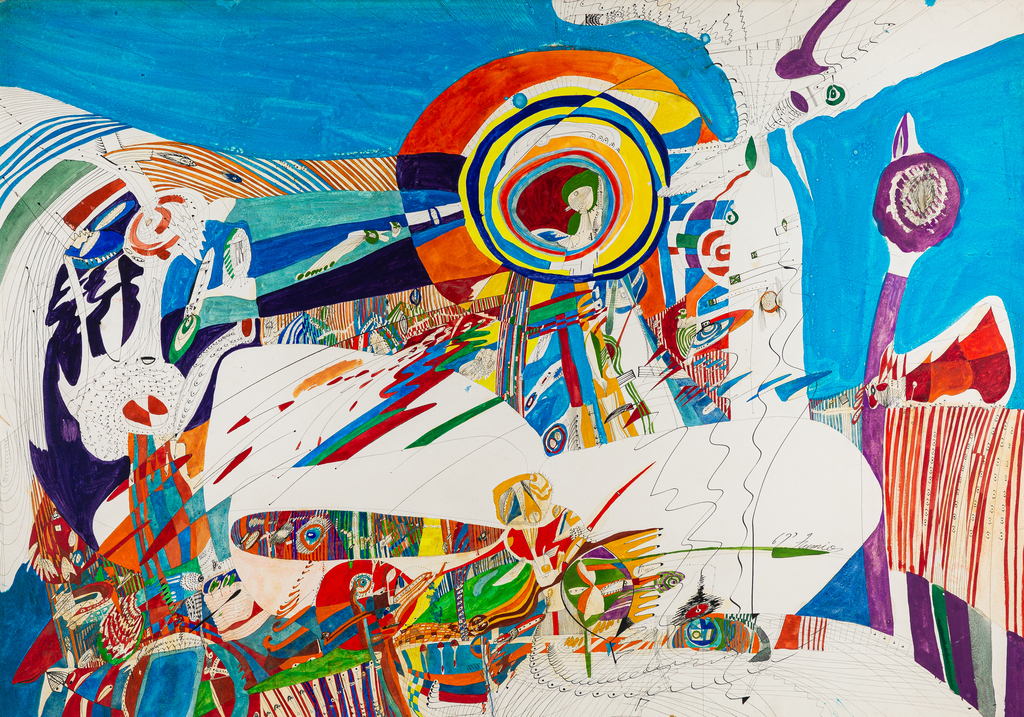

Hymn to the Sun
1967
Watercolor and ink on paper
77.2 x 109.6cm -
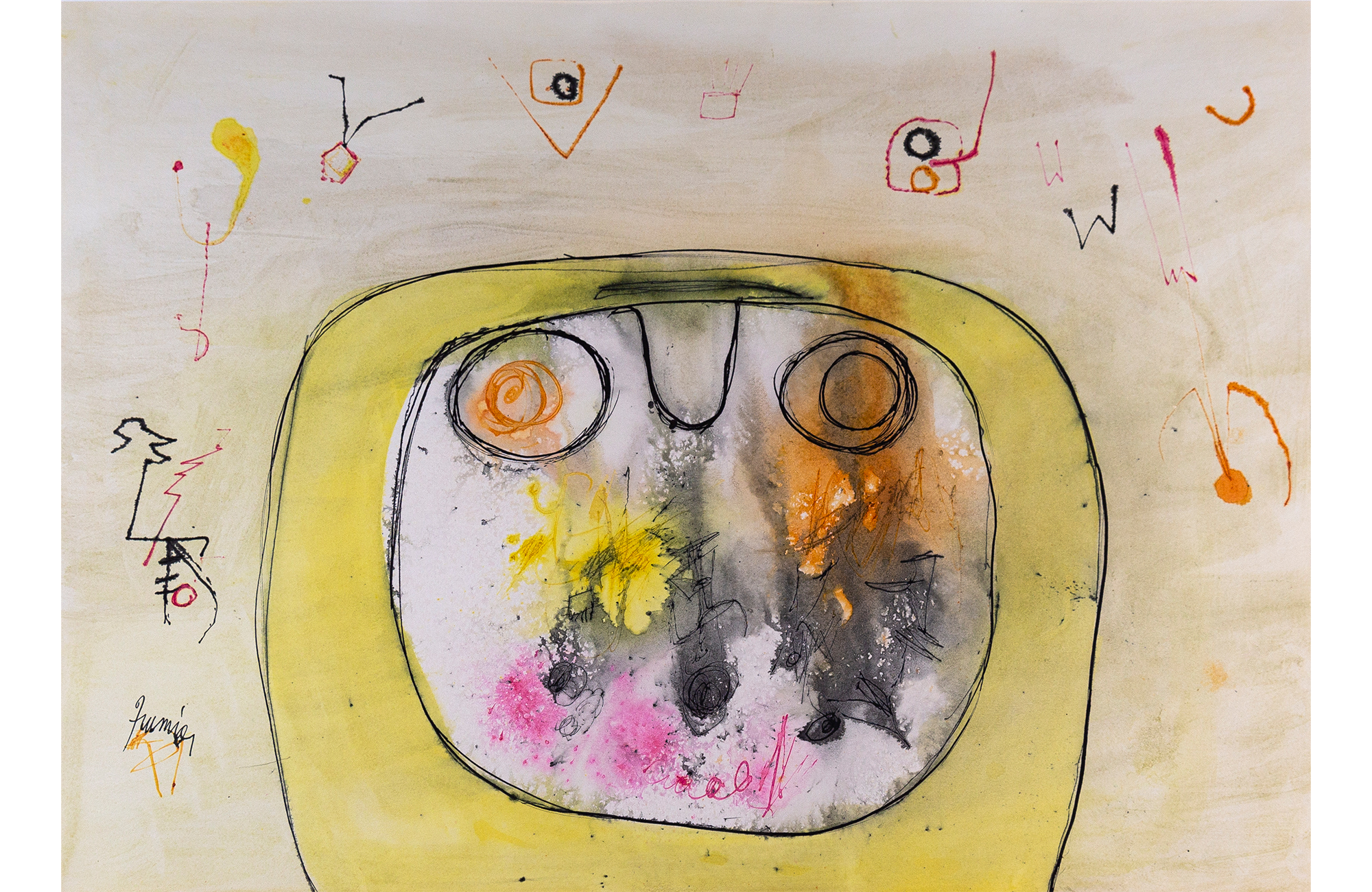
Television
1960
Watercolor and ink on paper
38cm×53.5cm -
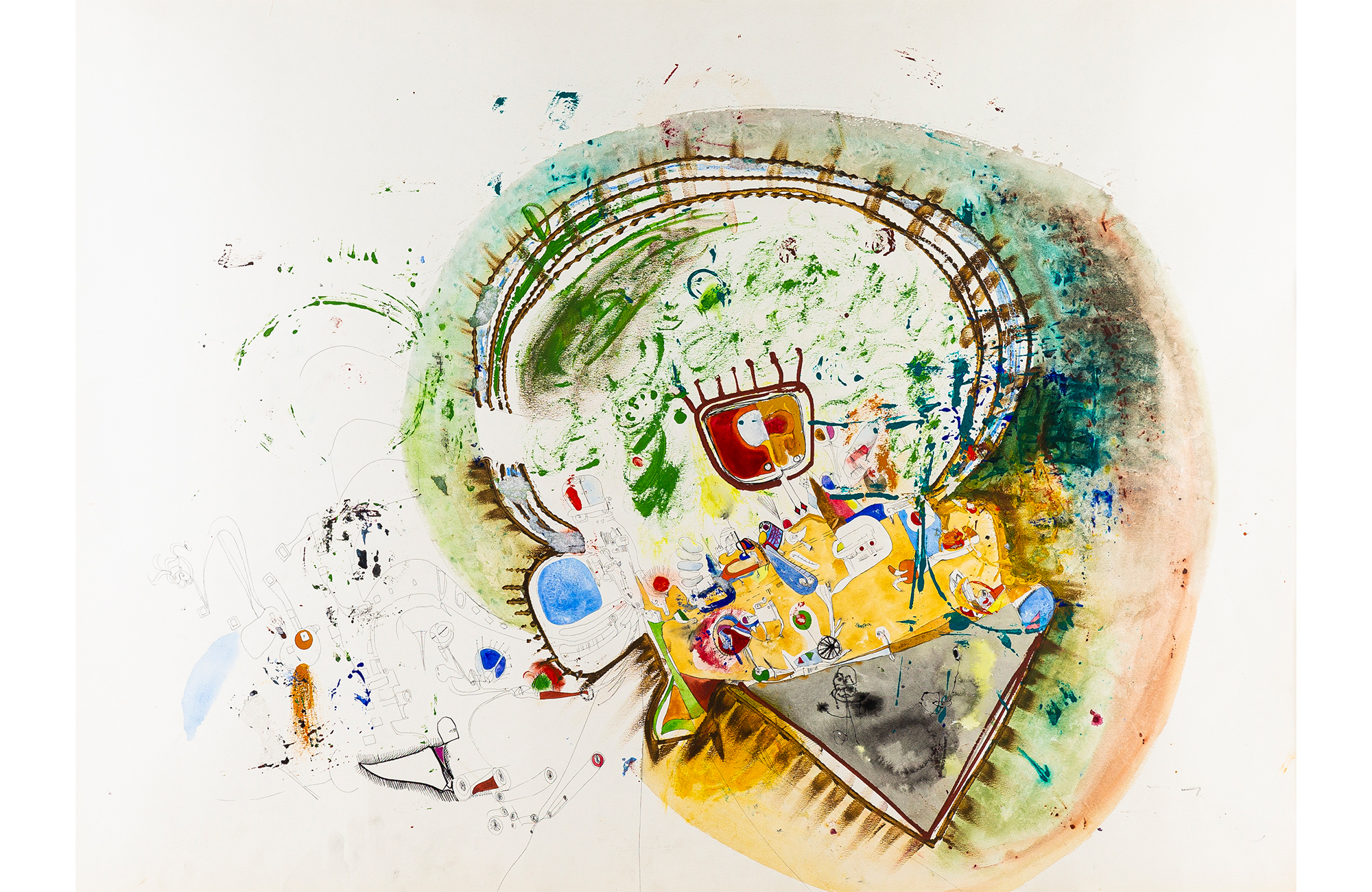
Untitled,
1962
watercolor and ink on paper,
72.8 x 99 cm,
owned by Tatsuoki and Fumio Nambata Memorial Museum of Art -
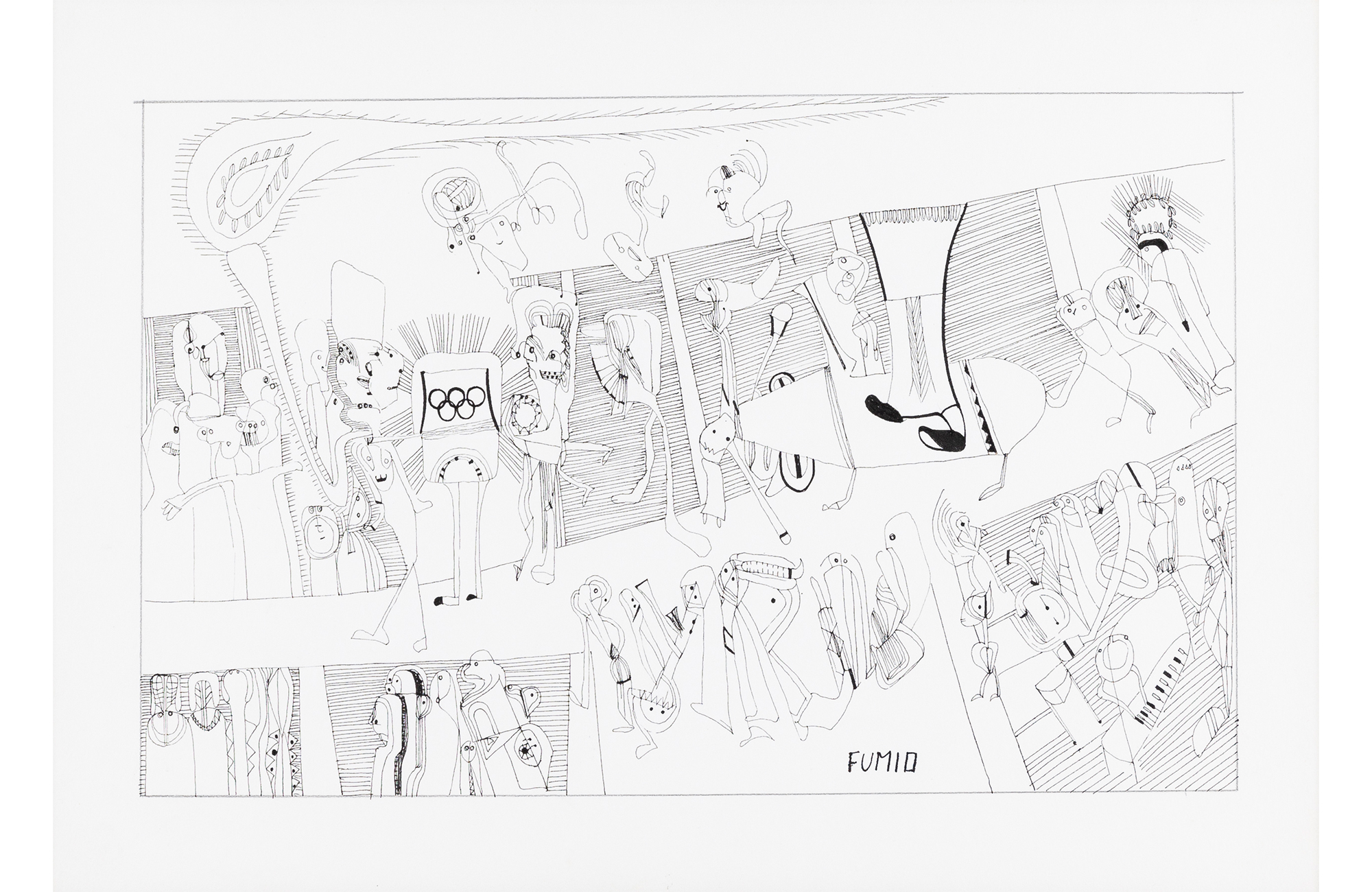
Olympics
1964
Ink on paper
27×38.2cm
Collection of Tatsuoki and Fumio Nambata Memorial Museum of Art -
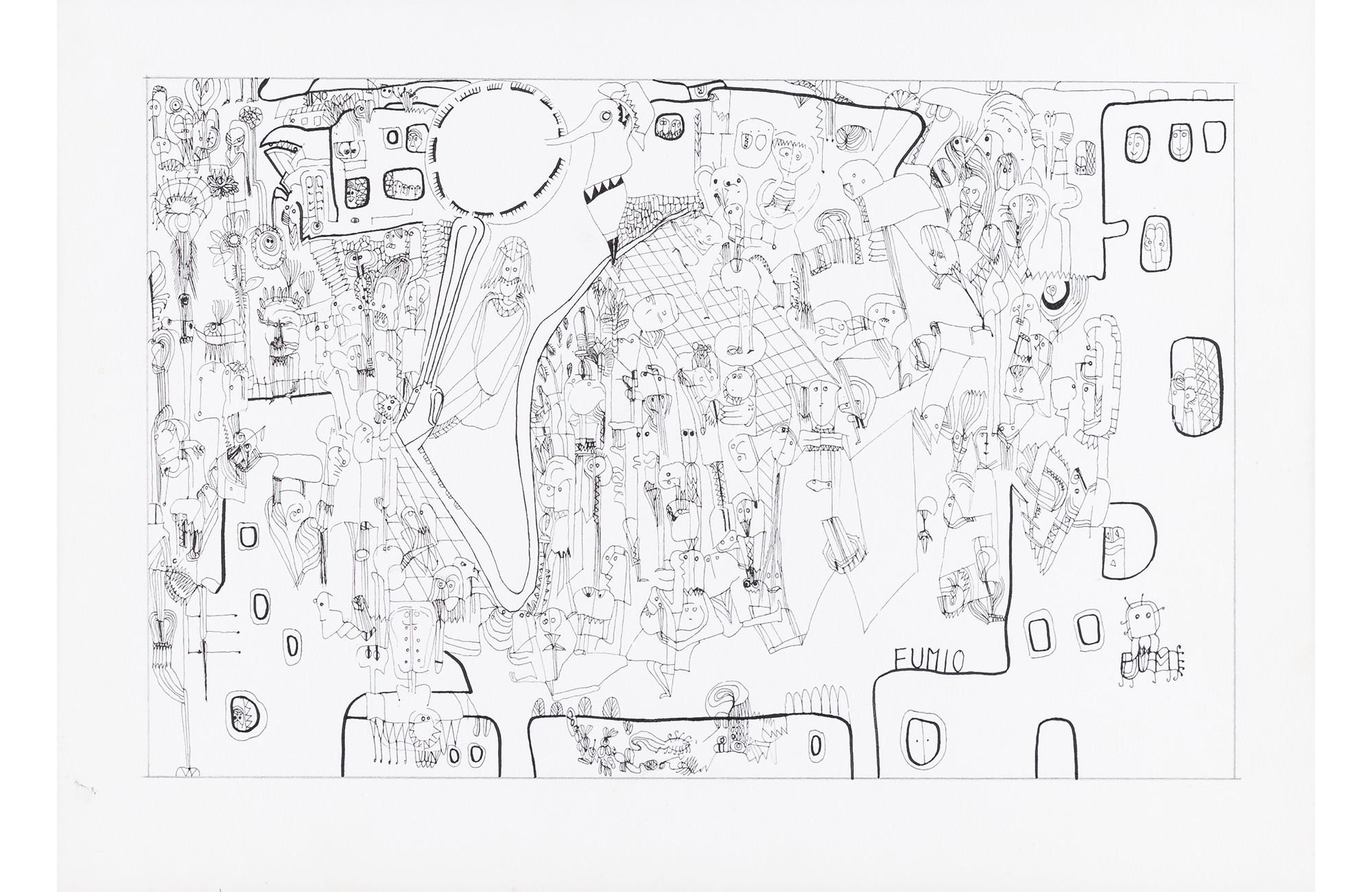
Olympics
1964
Ink on paper
27×38.2cm
Collection of Tatsuoki and Fumio Nambata Memorial Museum of Art -
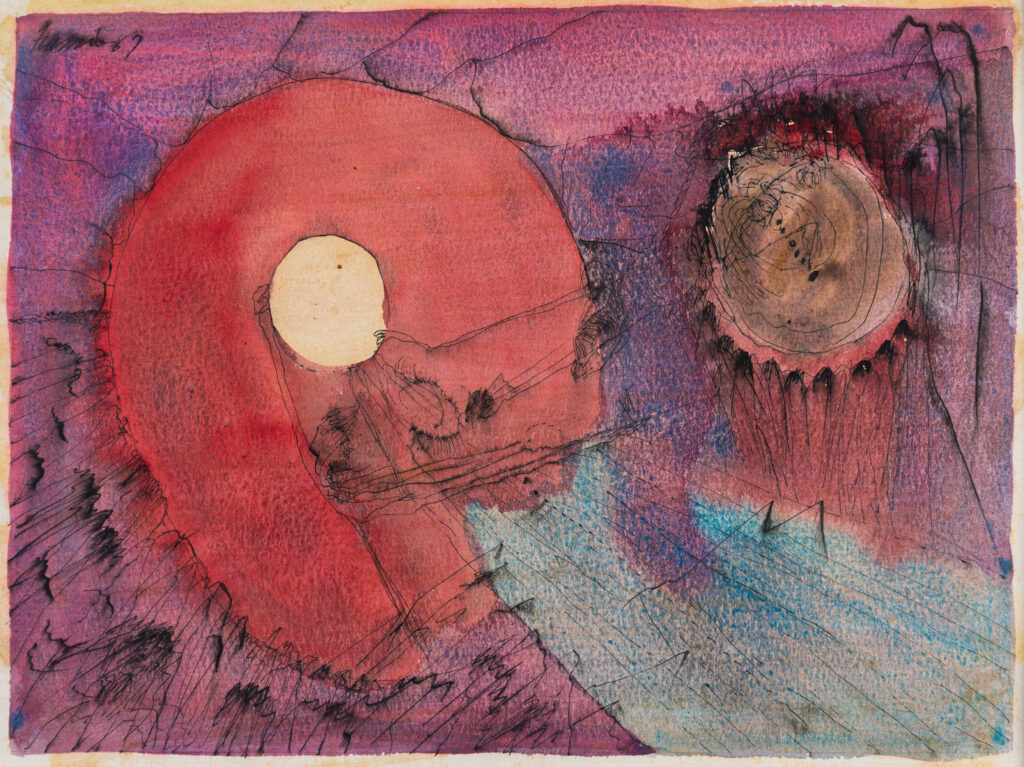
Untitled
1967
watercolor and ink on paper,
21.5 x 30 cm, -
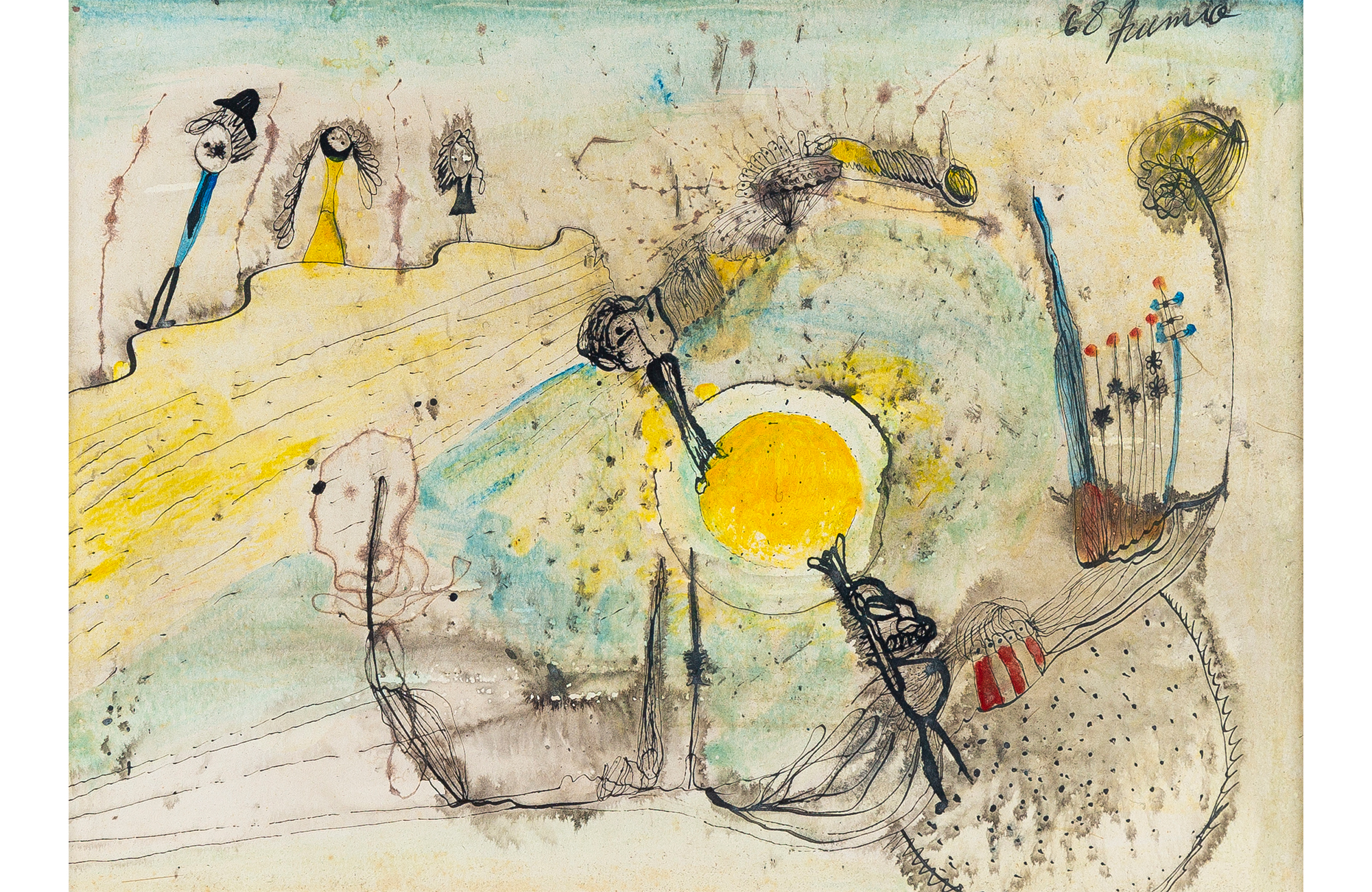
The Sun of Sorrow,
1968
watercolor and ink on paper,
20 x 27.5 cm (20 x 27.5 in.),
Collection of Tatsuoki and Fumio Nambata Memorial Museum of Art -

Sea A
1973
Oil on canvas
53×65cm
Collection of Tatsuoki and Fumio Nambata Memorial Museum of Art -
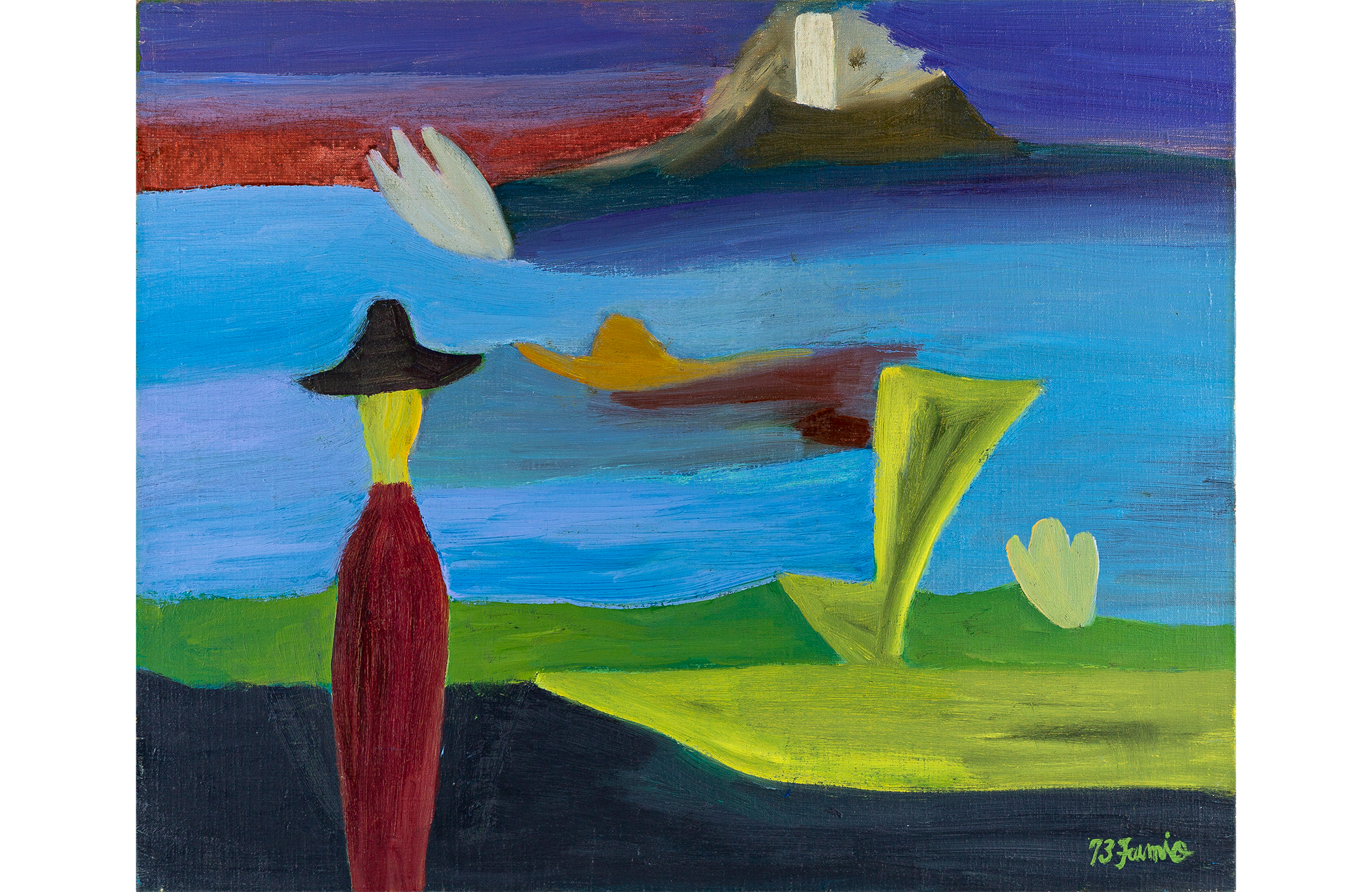
Sea B
1973
Oil on canvas
53×65cm
Collection of Tatsuoki and Fumio Nambata Memorial Museum of Art -
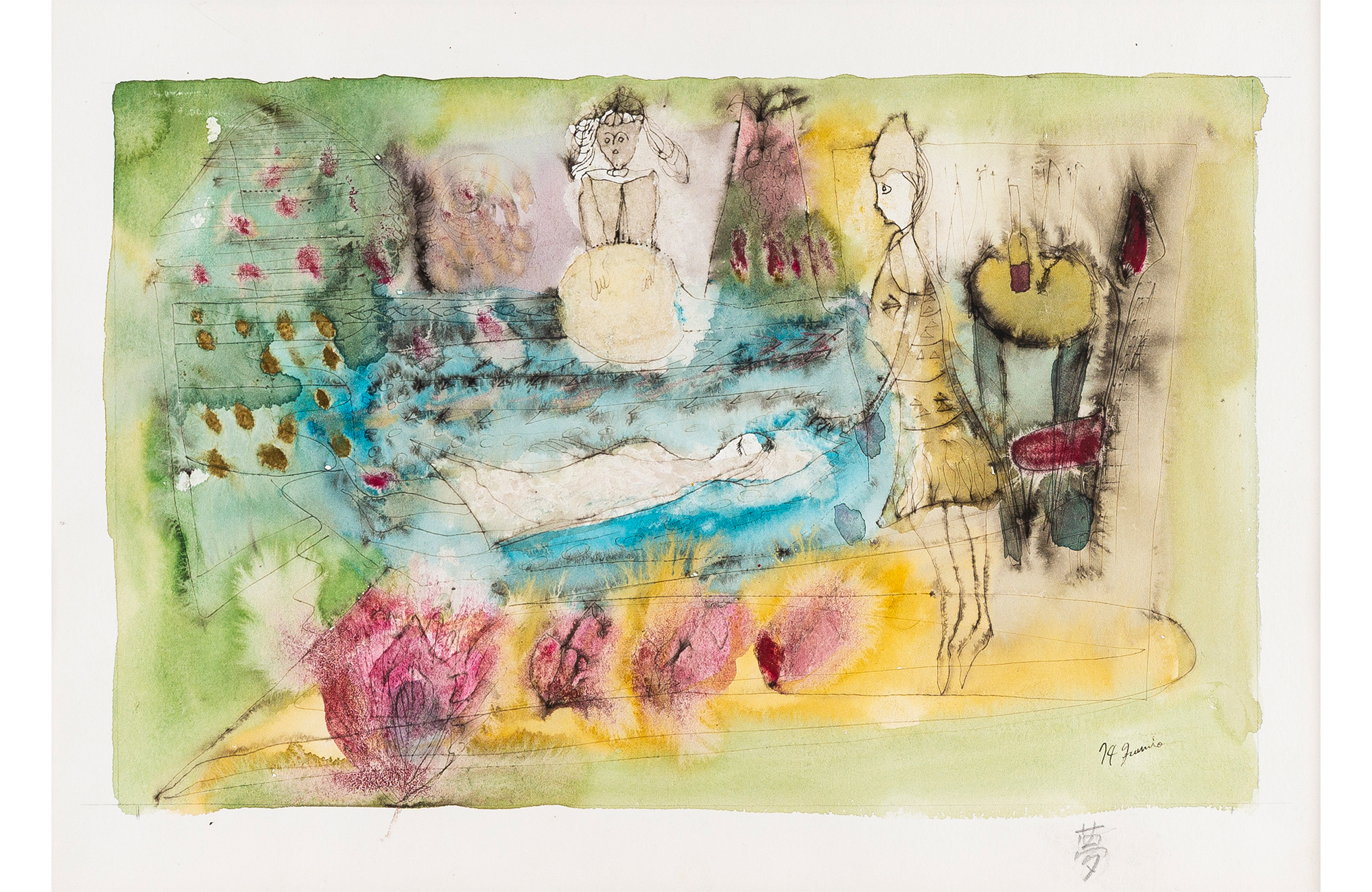
Dream
1974
Watercolor and ink on paper
27cm×38.2cm
Collection of Tatsuoki and Fumio Nambata Memorial Museum of Art
-
Hymn to the Sun
1967
Watercolor and ink on paper
77.2 x 109.6cm -
Television
1960
Watercolor and ink on paper
38cm×53.5cm -
Untitled,
1962
watercolor and ink on paper,
72.8 x 99 cm,
owned by Tatsuoki and Fumio Nambata Memorial Museum of Art -
Olympics
1964
Ink on paper
27×38.2cm
Collection of Tatsuoki and Fumio Nambata Memorial Museum of Art -
Olympics
1964
Ink on paper
27×38.2cm
Collection of Tatsuoki and Fumio Nambata Memorial Museum of Art -
Untitled
1967
watercolor and ink on paper,
21.5 x 30 cm, -
The Sun of Sorrow,
1968
watercolor and ink on paper,
20 x 27.5 cm (20 x 27.5 in.),
Collection of Tatsuoki and Fumio Nambata Memorial Museum of Art -
Sea A
1973
Oil on canvas
53×65cm
Collection of Tatsuoki and Fumio Nambata Memorial Museum of Art -
Sea B
1973
Oil on canvas
53×65cm
Collection of Tatsuoki and Fumio Nambata Memorial Museum of Art -
Dream
1974
Watercolor and ink on paper
27cm×38.2cm
Collection of Tatsuoki and Fumio Nambata Memorial Museum of Art